Address the problems people work around
Investigate recurring faults and prioritise changes around the work they interrupt, rather than leaving your team to repeat the same workaround.
Software maintenance & modernisation in Kenya
Resolve recurring problems, improve what already works and plan the changes your organisation needs next. We get to know your software so maintenance and further development can continue with clearer priorities and less dependence on one person.
Tell us what is running today and where you need support.
Orders screen loads slowly. Start with the affected journey and the conditions in which it happens.
The same issue keeps coming back. A small change feels risky. Important knowledge sits with someone who is no longer available. Over time, looking after the software can become a job of its own.
Investigate recurring faults and prioritise changes around the work they interrupt, rather than leaving your team to repeat the same workaround.
Review dependencies, testing and release arrangements so improvements can be introduced with a clearer view of what might be affected.
Document how the system runs, how it is released and who owns important decisions. Give the next developer a useful place to start.
Investigate bugs, review reported issues and plan corrective work around the agreed priorities of your organisation.
Assess dependencies and software behaviour, then test targeted upgrades or changes against the journeys people rely on.
Improve parts of an older system or add capabilities as your needs change. Assess what to retain, replace or migrate before committing to a wider rebuild.
Review an existing codebase, establish access and build working knowledge alongside your team. Prepare for handovers, changing availability and the next stage of development.
Continuity starts before the day you need it. We build familiarity with your systems, document the essentials and agree which work we can carry forward when your team cannot.
That means understanding how a release is made, where issues are tracked and who can approve a change. Access, responsibilities and support arrangements need to be agreed in advance, so there is a practical plan to follow.
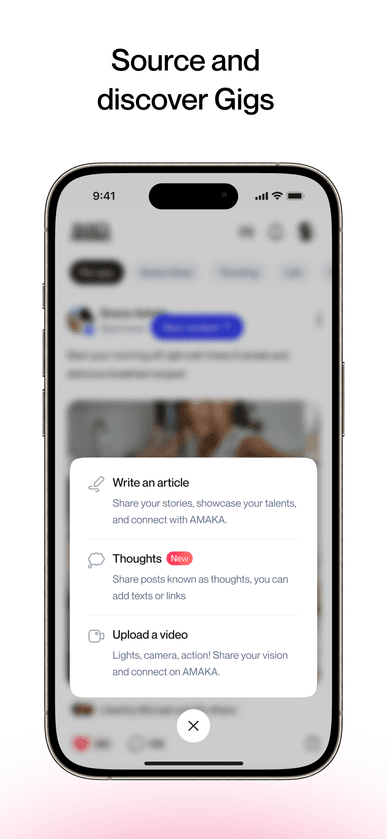
One of our team members took over the existing mobile application, improved key creator features and loading performance, and worked through testing and app-store requirements. The work also included clearer privacy and consent flows.
View project

Understand the code, environments, access and critical journeys, alongside the issues your team is facing.
Separate urgent problems from planned improvements. Define the scope, approval process and support arrangements.
Test the affected behaviour, review what else may be impacted and prepare the release with your team.
Document changes, review recurring issues and keep the next priorities visible as the system evolves.
A system may have valuable workflows and years of business knowledge behind it. Replacing everything at once can introduce unnecessary cost and disruption.
We assess whether focused upgrades, clearer boundaries or a staged replacement would serve you better. Where a migration is needed, we agree how records will be checked, how the change will be introduced and what recovery options are available.
We begin by reviewing the code, documentation, dependencies and access available. You need the appropriate rights and permissions to share and change the software. The review helps us identify what support is feasible and what needs attention first.
Not necessarily. We assess what is working, what is causing difficulty and which improvements would be useful. Sometimes targeted changes are enough; sometimes a phased replacement is more appropriate.
Yes. We agree responsibilities, review arrangements and the way changes are released. Your team can retain ownership of the product while we take on a defined part of maintenance or development.
Support hours, response targets, escalation routes and out-of-hours coverage must be agreed for the engagement. Contact us to discuss the coverage you need; an enquiry alone does not establish emergency support.
We identify the affected workflows and agree testing, release timing and recovery steps. Some work may require planned interruption. We discuss that before rollout rather than promising that every change can happen without downtime.
Available source code, hosting access, release accounts and documentation help us establish how the system works. We identify gaps and dependencies before agreeing a takeover plan. Missing access or ownership issues can limit what can be done.
The approach depends on the system, backlog, support coverage and work involved. We can scope a defined piece of work or discuss an ongoing arrangement. Third-party costs, monitoring and hosting responsibilities should be identified in the proposal.
Tell us what is slowing people down, which changes are waiting and where you need a dependable development partner. We’ll help you identify the next practical step.