Enter information where it belongs
Agree where each record starts and pass the relevant details to the systems that need them, instead of asking people to enter them again.
API development & systems integration in Kenya
An order on your website should reach the team fulfilling it. A payment should match the right record. We connect your applications and business tools so information can move with the work, with clear checks when something needs attention.
Tell us which tools need to work together and where the handover breaks down.
The order details are ready to move from the website to stock.
Copying the same details between tools takes time. Checking which record is correct takes more. When each team sees a different version, even a simple customer question can become a search across systems.
Agree where each record starts and pass the relevant details to the systems that need them, instead of asking people to enter them again.
Connect orders, payments and status updates so staff can follow the same work across the tools they use.
Make failed updates and incomplete transfers visible, with an agreed way to retry or resolve them.
Link websites, customer management tools, inventory systems and accounting software around the steps your organisation needs to complete.
Connect supported payment providers, match confirmations to the right orders and give staff a way to investigate records that do not line up.
Build a defined way for your apps, partners or internal tools to exchange information. Agree what each connection can access, how it behaves and how other developers will use it.
Keep agreed records aligned between systems. Decide which system owns each piece of information and how updates, duplicates and conflicting changes should be handled.
A customer places an order. Your stock system needs the details, the fulfilment team needs to act and the customer needs an accurate update.
Capture its reference and the information the next system needs.
Send the agreed information and check the receiving system’s response.
Keep track of an update that has not been confirmed, rather than treating it as complete.
Check what already arrived before retrying, then make the outcome visible to the team.
The aim is a traceable handover, with a clear next step when a connection fails.
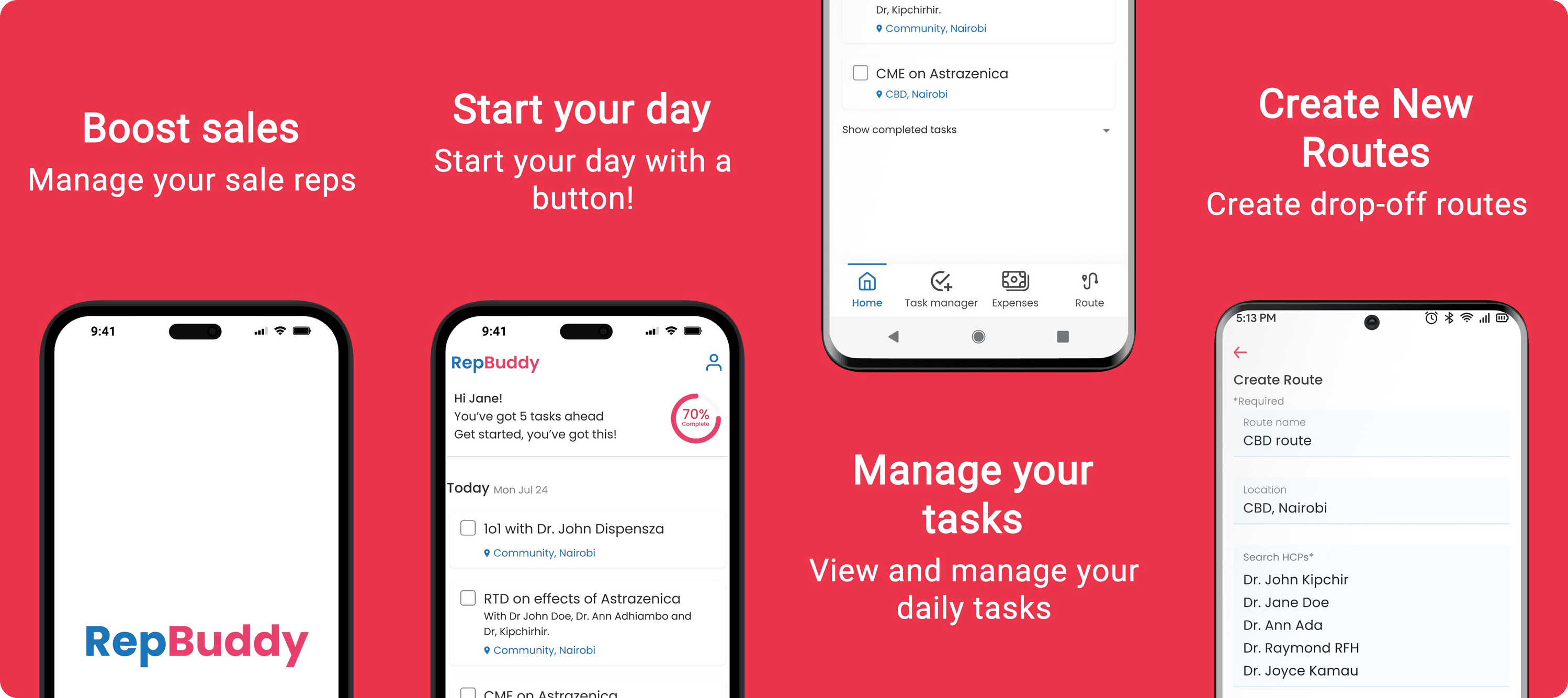
One of our team members built the mobile application and connected it to the management dashboard already in use. Representatives could plan routes and record customer visits, while managers could follow field activity through the connected system.
View project

Identify the records, people and systems involved, and where information currently gets delayed or re-entered.
Review available APIs and permissions. Agree which system owns the information, what should move and what needs approval.
Check normal activity alongside delayed responses, repeated requests and incomplete information.
Agree monitoring, issue ownership and how failed updates can be investigated or retried. Document the connection for the people maintaining it.
A service can be unavailable. A response can arrive late. The same request can be sent twice. Those situations need to be considered before a connection becomes part of your everyday work.
We plan how to identify each transfer, check what happened and recover without blindly repeating an action. The approach depends on what the connected systems support, particularly where payments or stock are involved.
We first check its APIs, documentation, permissions and account requirements. Where a supported connection is available, we scope it around the information and actions you need. Vendor restrictions or paid access may affect what is possible.
We assess whether supported imports, exports or another approved interface can meet the need. Some connections may require changes by the system’s provider. We identify those limits before recommending a build.
Some systems can send updates when an event happens. Others need scheduled checks or file transfers. We agree the timing based on what the systems support and how quickly your team needs the information.
We agree how transfers are identified, how confirmations are checked and when a retry is safe. Some exceptions may need a person to resolve them. The design should make that state visible instead of silently treating the work as complete.
Yes. We scope the information and actions it exposes, the access each party needs and the documentation required. Testing, usage limits and how future changes will be introduced are part of that planning.
We agree the permissions each connection needs and how credentials will be stored, managed and changed. Sensitive information and records of activity are considered in the scope. Passwords and API keys should not be included in the initial enquiry.
The number of systems, quality of their APIs, complexity of the data and recovery requirements all matter. Provider fees, access subscriptions and changes to external APIs can also affect running costs. We identify those dependencies and agree who maintains the connection.
Tell us where information starts, where it needs to go and what your team is doing manually in between. We’ll help you identify the next useful connection.